Frequently Asked Questions
Learn more about immune-boosting foods, cooking methods, and nutrition science to support your wellness journey
Certain foods contain compounds that support immune function. Citrus fruits like oranges and lemons are rich in vitamin C, which plays a crucial role in white blood cell production. Garlic contains allicin, a sulfur compound with antimicrobial properties. Bell peppers have even more vitamin C than citrus fruits and are also high in antioxidants.
Ginger and turmeric contain curcumin and gingerol, powerful anti-inflammatory compounds. Almonds and sunflower seeds provide vitamin E, an antioxidant that protects immune cells. Spinach and other leafy greens offer folate, vitamins A, C, and K. Yogurt with live cultures supports gut health, where much of immune function originates.
Incorporating these foods regularly—not just during cold season—helps maintain consistent immune support throughout the year. The key is variety and consistency rather than relying on any single superfood.
Different cooking methods preserve nutrients in varying degrees. Steaming is considered one of the best methods because it cooks food quickly with minimal water loss, preserving water-soluble vitamins like B vitamins and vitamin C. Boiling, conversely, can leach significant amounts of these vitamins into the cooking water.
Raw consumption preserves all heat-sensitive vitamins but may reduce the bioavailability of some nutrients. For example, cooked tomatoes release more lycopene, making it more accessible to your body. Roasting at moderate temperatures (around 200°C) is gentler than frying and helps retain fat-soluble vitamins like A, D, E, and K.
Sautéing vegetables in olive oil is excellent because the fat helps absorb fat-soluble vitamins. Microwaving is surprisingly effective at retaining nutrients due to shorter cooking times. The key principle is using lower temperatures, shorter cooking times, and minimal water when possible.
For maximum nutrient retention, combine raw and cooked foods in your diet. This approach captures benefits of both methods and provides nutritional diversity.
Both raw and cooked foods offer unique benefits for immune function. Raw foods retain all their vitamins, particularly vitamin C and B vitamins, which are heat-sensitive. They also contain live enzymes that may aid digestion. Raw cruciferous vegetables like broccoli contain sulforaphane, a compound with potent antioxidant properties.
However, some nutrients become more bioavailable when cooked. Carotenoids in carrots and sweet potatoes are better absorbed when cooked because heat breaks down cell walls. Lycopene in tomatoes increases dramatically with cooking. Allicin in garlic develops more fully when the clove is crushed and then heated lightly.
The optimal approach is to include both raw and cooked foods in your diet. Aim for a colorful variety of vegetables prepared different ways throughout the week. A salad with raw spinach and tomatoes combined with cooked root vegetables and steamed broccoli gives your immune system a broader spectrum of nutrients.
Listen to your digestive system too—some people find raw vegetables harder to digest, while others thrive on them. Individual tolerance varies, so balance what works for your body with nutritional science.
The recommended dietary allowance (RDA) for vitamin C is 75 mg daily for adult women and 90 mg for adult men, with higher amounts for smokers. This amount supports normal immune function and collagen synthesis. Most people can easily meet this target through diet alone.
One medium orange contains about 53 mg of vitamin C. A cup of raw bell peppers provides around 190 mg. A cup of steamed broccoli offers approximately 120 mg. Strawberries, kiwis, and citrus fruits are all excellent sources. The advantage of food sources is that they provide vitamin C alongside other beneficial compounds and fiber.
While megadosing vitamin C beyond the RDA doesn't provide additional immune benefits for most people, maintaining adequate daily intake is important. Your body cannot store excess vitamin C, so consistent daily consumption through varied food sources is more effective than occasional large amounts.
Focus on including at least one vitamin C-rich food at each meal—an orange with breakfast, bell peppers in lunch salad, and broccoli with dinner—rather than chasing specific numbers.
Your gut is home to trillions of microorganisms that form your microbiome—a complex ecosystem with profound influence on immune function. The intestinal barrier, often called the "gut wall," acts as a gatekeeper, allowing beneficial molecules through while blocking pathogens. A healthy microbiome strengthens this barrier.
The gut contains approximately 70% of your immune system's tissue. Beneficial bacteria produce compounds like short-chain fatty acids (particularly butyrate) that nourish intestinal cells and reduce inflammation. They also produce vitamins and compounds that directly support immune response.
Foods rich in fiber feed beneficial bacteria. Whole grains, beans, lentils, fruits, and vegetables provide this prebiotic fuel. Fermented foods like sauerkraut, kimchi, miso, and kefir contain live bacteria that can populate your gut. Polyphenol-rich foods like berries, green tea, and pomegranate also support microbial diversity.
Stress, sleep, antibiotics, and diet all influence gut health. Supporting your microbiome through diverse plant foods and fermented items is one of the most impactful ways to boost overall immune function from within.
Antioxidants are compounds that neutralize unstable molecules called free radicals, which can damage cells and contribute to inflammation. When your immune system fights infections or responds to stress, it generates free radicals as a byproduct. Without adequate antioxidant protection, excessive free radical damage can impair immune function.
Common antioxidants include vitamins C and E, beta-carotene, selenium, and compounds called polyphenols. Blueberries are rich in anthocyanins, a type of polyphenol. Dark chocolate contains epicatechin. Green tea provides catechins. These compounds help reduce inflammation and protect immune cells from oxidative stress.
A diet rich in colorful fruits and vegetables—the deeper and more vibrant the color, the higher the antioxidant content—provides natural protection. Red and pink foods contain lycopene, orange foods contain carotenoids, purple foods contain anthocyanins, and green foods contain lutein and other compounds.
Rather than focusing on specific antioxidants, aim for dietary diversity. "Eat the rainbow" is genuinely sound advice—different colored plants contain different antioxidants, and together they provide comprehensive protection for your immune system.
Fermented foods undergo a natural process where beneficial bacteria and fungi break down food components, creating an environment rich in live microorganisms and their metabolic byproducts. When consumed, these can reach your gut and contribute to a healthier microbiome, which as discussed earlier, is foundational to immune function.
Traditional fermented foods like sauerkraut, kimchi, miso, tempeh, and kefir contain live cultures known as probiotics. During fermentation, these organisms also produce additional beneficial compounds like bacteriocins (antimicrobial peptides) and enhance the bioavailability of nutrients in the original food. For example, fermentation increases vitamin K2 content and makes minerals more absorbable.
The evidence suggests that including fermented foods regularly supports gut diversity and function. However, the specific strains and amounts matter. Commercially pasteurized fermented foods may not contain active cultures, so look for unpasteurized varieties. Start with small amounts if you're new to fermented foods, as they can initially cause bloating as your microbiome adjusts.
Fermented foods work best as part of a broader dietary pattern that includes fiber-rich foods, whole grains, and diverse plant sources—not as a standalone immune booster.
Zinc is an essential mineral that plays multiple critical roles in immune function. It's required for the development and activation of T lymphocytes, which are key immune cells. Zinc also helps regulate inflammatory responses and supports the barrier function of skin and mucous membranes, your body's first line of defense against pathogens.
The recommended daily intake for zinc is 8 mg for adult women and 11 mg for adult men. Oysters are exceptionally rich in zinc, providing over 500% of the daily value in just a few oysters. Beef, chicken, and fish are excellent sources. For plant-based options, pumpkin seeds provide about 2 mg per ounce, chickpeas offer 2.5 mg per cup cooked, and cashews provide 1.6 mg per ounce.
A notable consideration: plant-based sources of zinc have lower bioavailability due to phytates, compounds that can bind minerals. Soaking, sprouting, and fermenting nuts, seeds, and legumes reduces phytate content and improves zinc absorption. Combining zinc-rich foods with vitamin C enhances absorption further.
Unlike vitamin C, your body does store zinc, so consistent adequate intake is important but excessive amounts aren't necessary. Focus on including zinc-rich foods throughout the week rather than megadosing.
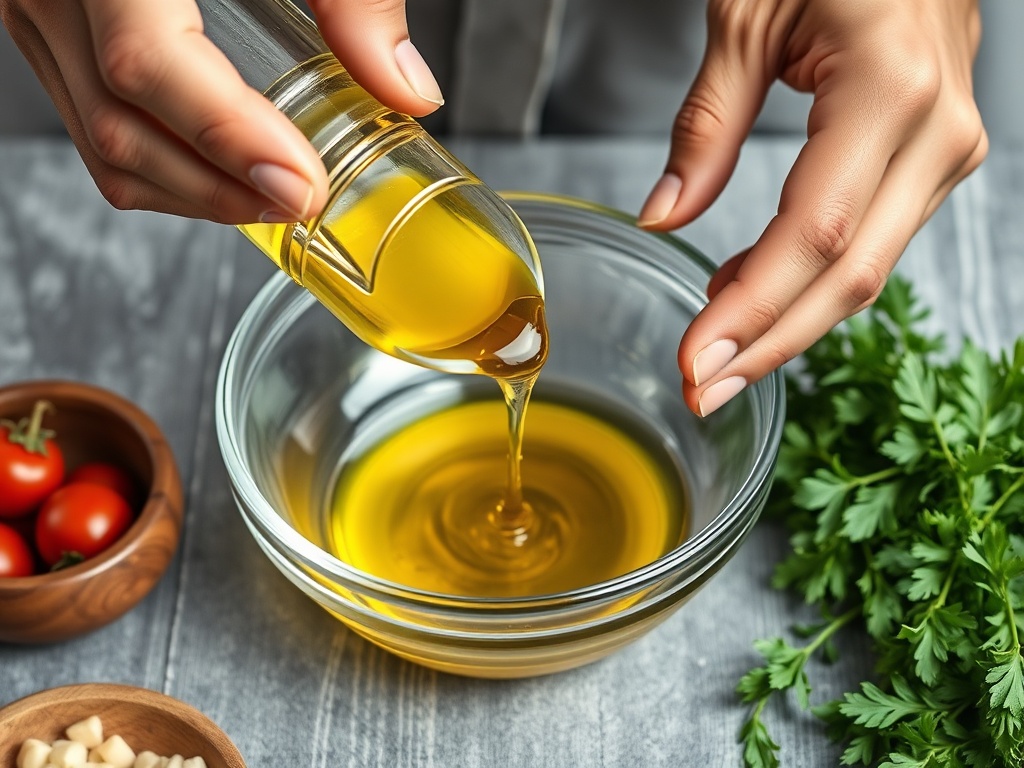
Since chronic inflammation can suppress immune function, incorporating anti-inflammatory cooking ingredients is strategic. Extra virgin olive oil is rich in oleocanthal, which functions similarly to anti-inflammatory compounds. Use it in dressings or add it at the end of cooking rather than heating extensively, as high temperatures degrade some beneficial compounds.
Turmeric contains curcumin, one of the most well-researched anti-inflammatory compounds. Combining turmeric with black pepper (which contains piperine) increases curcumin absorption by up to 2000%. Ginger offers gingerol and shogaol, compounds with both anti-inflammatory and antimicrobial properties. Garlic, especially when crushed and lightly cooked, provides allicin and other sulfur compounds.
Herbs like rosemary, oregano, and thyme are culinary powerhouses containing carnosic acid and other antioxidants. Cinnamon has been studied for anti-inflammatory effects. Cayenne pepper and other chili peppers contain capsaicin. Ginger-turmeric-black pepper combinations used in curries represent centuries of practical wisdom backed by modern research.
The beauty of using these ingredients is that they enhance flavor while supporting immune function. They're traditional in many cultures specifically because their combination of anti-inflammatory and antimicrobial properties made people feel better. Modern nutrition science simply explains why.
Omega-3 fatty acids, particularly EPA and DHA, are essential for immune cell membrane structure and function. They help regulate inflammation by producing specialized signaling molecules called resolvins and protectins, which actually resolve inflammation rather than just suppress it. This is crucial because controlled inflammation is part of a healthy immune response.
Fatty fish like salmon, mackerel, sardines, and herring are rich in EPA and DHA. A 3-ounce serving of salmon provides about 1.5 grams of omega-3s. For plant-based sources, flax seeds, chia seeds, and walnuts contain alpha-linolenic acid (ALA), which your body converts to EPA and DHA, though the conversion rate is modest. Algae supplements provide direct DHA for vegetarians and vegans.
The balance between omega-3 and omega-6 fatty acids matters for immune regulation. Modern diets often have an excess of omega-6 from seed oils, which can promote excessive inflammation. Emphasizing omega-3 sources helps restore this balance. Aim for fatty fish 2-3 times weekly or consistent plant-based omega-3 sources if following a vegetarian diet.
Cooking methods matter here too—gentle steaming or poaching preserves omega-3 content better than high-heat frying. Drizzling ground flax seed onto finished dishes avoids heat damage to these sensitive fats.
While nutrition is foundational, the immune system is regulated by multiple systems. During sleep, your body produces immune cells and releases cytokines that reduce inflammation. Chronic sleep deprivation reduces antibody production and impairs immune cell function. Most adults need 7-9 hours of quality sleep for optimal immune regulation.
Chronic stress elevates cortisol, which at persistently high levels can suppress immune function and promote inflammation. Acute stress may briefly enhance immune response, but sustained stress impairs it. This is why immune resilience depends on managing stress through movement, meditation, social connection, and adequate recovery.
Interestingly, diet supports sleep quality and stress resilience. Complex carbohydrates help produce serotonin, the precursor to melatonin. Magnesium-rich foods like leafy greens and seeds support relaxation. B vitamins help regulate stress hormones. Herbal teas like chamomile and passionflower have traditional uses for relaxation.
This illustrates why a holistic approach works best. Eating immune-supporting foods, getting adequate sleep, managing stress through movement and relaxation, and maintaining social connection create the optimal environment for your immune system to thrive. No single food or cooking method can compensate for severe sleep deprivation or chronic stress.
The most sustainable approach to immune-supporting nutrition is creating meals you actually enjoy. Start by identifying flavors you love, then build immune-supporting ingredients around them. If you enjoy Italian food, build meals around garlic, tomatoes, olive oil, and herbs. If Asian flavors appeal to you, work with ginger, turmeric, garlic, and fermented elements like miso and soy sauce.
Build a practical framework: prepare a protein (fish, chicken, legumes), add colorful vegetables (three different colors minimum), choose a cooking method that preserves nutrients for your selected ingredients, and season generously with anti-inflammatory herbs and spices. A simple sheet pan with salmon, broccoli, and bell peppers tossed in olive oil with turmeric and garlic is immune-supporting and requires 20 minutes.
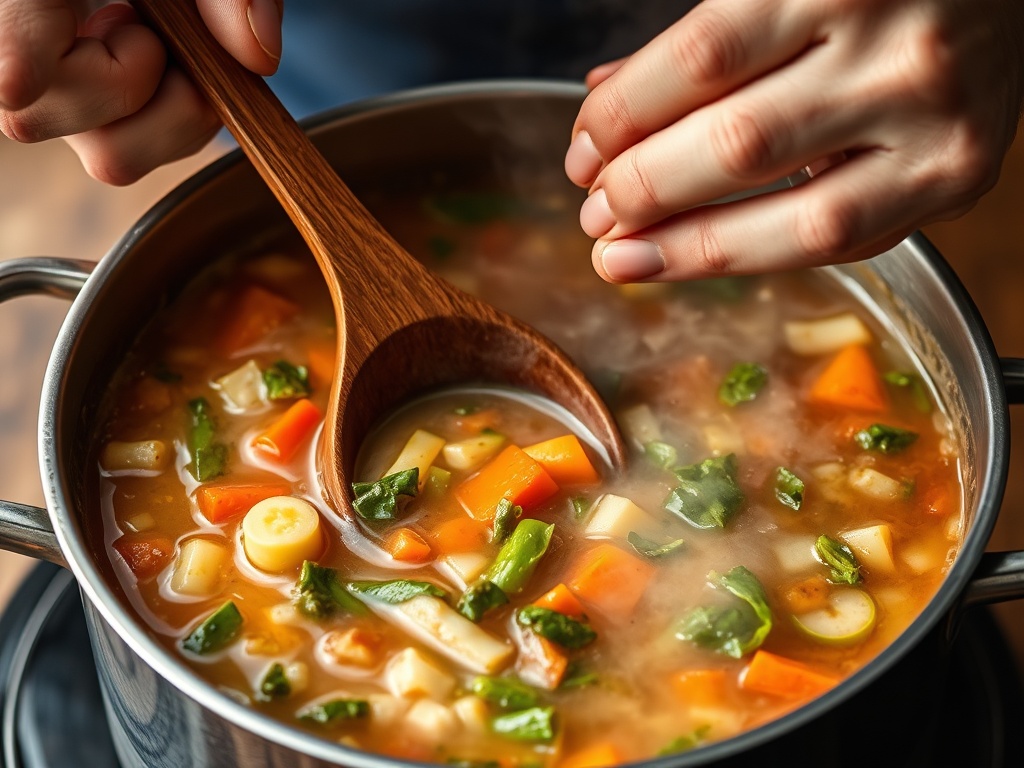
Batch cooking is practical for busy schedules. Cook large quantities of grains, roasted vegetables, and proteins on one day, then mix and match throughout the week with different dressings and toppings. Soups are naturally convenient—they're forgiving, can be made in large batches, and actually improve in flavor as nutrients distribute. A vegetable and lentil soup with turmeric and ginger is delicious, nutrient-dense, and freezes well.
Remember that consistency matters far more than perfection. Eating reasonably well most of the time supports your immune system better than occasionally eating optimally. Focus on building eating patterns you can sustain, using immune-supporting foods as ingredients in meals you genuinely look forward to eating.
The information on this site is for educational purposes only and does not constitute medical advice. Always consult a qualified healthcare professional before making health decisions.
Explore More on Our Blog
Discover in-depth articles, recipes, and scientific insights about immune-supporting nutrition and cooking methods at Nourishflow Academy
Read Our ArticlesStay Updated
Get the latest insights about immune health delivered to your inbox
We respect your privacy. Unsubscribe at any time.